From Landfill Bound to Lovable: Upcycling Tips That Make a Difference
Upcycling is more than just a trendy buzzword--it's a movement that is transforming our relationship with waste and encouraging us to see potential in what was once considered trash. In a society overwhelmed by growing landfills and endless consumption, upcycling stands out as an innovative, eco-friendly solution. This comprehensive guide explores the best upcycling tips, explains its environmental impact, and helps you get started on your own upcycling journey, turning discarded items into treasures.
What Is Upcycling? Understanding the Upcycling Revolution
Upcycling is the process of taking items destined for the landfill and creatively transforming them into new, lovable, and functional pieces. Unlike recycling, which often breaks down materials and uses energy to create something new, upcycling gives waste materials a second life with minimal processing. The outcome is both environmentally friendly and often unique, reflecting personal style and ingenuity.
Why Upcycling Matters
- Reduces landfill waste: Less trash means less environmental impact.
- Conserves resources: Fewer raw materials need to be harvested and processed.
- Encourages creativity: Upcycling sparks innovation and individual expression.
- Saves money: Repurposed items are often more affordable than new ones.
In essence, upcycling transforms "landfill bound" items into "lovable" creations--making a positive difference for both people and planet.
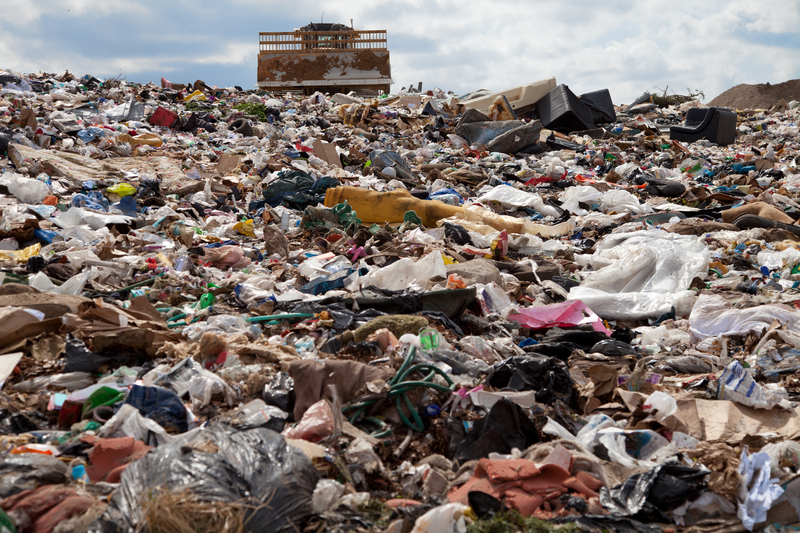
The Environmental Impact of Upcycling
Studies show that landfills account for approximately 11% of global methane emissions, a potent greenhouse gas. When we upcycle instead of discard, we not only reduce the volume of waste but also slow the consumption of new resources. This sustainable approach to waste management preserves ecosystems and cuts pollution at the source.
Key Benefits of Upcycling
- Less waste: Each upcycled item means one less object left rotting in a landfill.
- Energy savings: Upcycling uses much less energy than recycling or manufacturing from scratch.
- Inspirational designs: Many upcycled products become conversation starters or cherished possessions.
- Positive ripple effect: The popularity of creative upcycling tips can inspire entire communities to reduce, reuse, and rethink waste.
10 Practical Upcycling Tips to Transform Your Waste
Ready to dive in? Here are expert upcycling ideas that turn mundane materials into lovable masterpieces. Whether you're a beginner or a craft expert, these upcycling tips make a real difference:
1. Reimagine Old Clothing
- Turn worn-out t-shirts into colorful tote bags--no sewing machine required!
- Use patches from jeans or sweaters to decorate notebooks, sneakers, or pillows.
- Create chic headbands or wristbands from leftover fabric scraps.
Tip: Dye or tie-dye faded garments for a fresh new look instead of tossing them.
2. Repurpose Glass Jars and Bottles
- Transform glass jars into rustic candleholders, planters, or storage containers.
- Use wine bottles as unique vases or decorative lighting fixtures.
- Paint or etch old jars for a customized touch.
These upcycling projects keep glass out of the landfill and add style to your home.
3. Give Furniture a Second Life
- Sand, paint, or refinish old wooden furniture for a modern upgrade.
- Convert a ladder into a trendy bookshelf or towel rack.
- Reupholster chairs with leftover fabric or vintage finds.
With a little creativity, even the most battered furniture can become a beloved centerpiece!
4. Upcycle Electronics and Cables
- Turn outdated CDs into mosaic art, coasters, or reflective garden ornaments.
- Use empty cable spools as quirky coffee or side tables.
- Collect unused cords and chargers for community e-waste recycling events.
Don't let electronic "junk" languish in storage--give it purpose or recycle it responsibly.
5. Upcycling Plastic Containers
- Cut and paint plastic bottles to create planters, bird feeders, or hanging storage.
- Stack yogurt cups for organizing small crafts or office supplies.
- Weave old shopping bags into sturdy baskets or outdoor mats.
Plastic upcycling in the home is simple and immediate, reducing single-use waste.
6. Transform Books and Magazines
- Fold pages of old magazines into stunning paper flowers or holiday garlands.
- Repurpose hardback book covers into journals or picture frames.
- Craft bookmarks or gift tags from colorful pages.
Bring new life--and endless charm--to your favorite print media.
7. Creative Uses for Pallets and Crates
- Build pallet gardens, coffee tables, or outdoor benches.
- Stack crates for instant bookshelves, shoe racks, or pet beds.
- Sand and paint to match your home's decor.
Wooden pallets are a goldmine for upcycling inspiration!
8. Upcycle Kitchen Scraps
- Use citrus peels to make natural cleaners or potpourri.
- Plant avocado pits or herb stems for a kitchen windowsill garden.
- Compost vegetable trimmings for rich, organic fertilizer.
Waste not, want not: Even food scraps can be upcycled into valuable resources.
9. Fashion Accessories From "Junk"
- Craft earrings from broken jewelry or single-use plastics.
- Make brooches or pins from colorful buttons and fabric remnants.
- Design keychains with bottle caps or repurposed zipper pulls.
Wear your upcycling pride as a unique fashion statement!
10. Upcycle for the Garden
- Old boots or teapots make quirky planters.
- Repurpose an unused bathtub as a backyard pond.
- Use broken crockery for mosaic pathways or decorative borders.
Your garden is a canvas for upcycling, limited only by your imagination.
Getting Started: Upcycling for Beginners
If you're new to upcycling, start small. Consider these steps to make the process fun, safe, and effective:
- Choose an easy project: Start with something simple, like decorating jars or turning bottles into planters.
- Gather your materials: Keep a dedicated box for items you might upcycle instead of throwing them out.
- Use inspiration sources: Pinterest, YouTube, and upcycling blogs are full of great ideas and tutorials.
- Prioritize safety: Wear protective gear if you're cutting, sanding, or using chemicals. Kids should be supervised.
- Share your creations: Post before-and-after photos online or gift your upcycled masterpieces to friends and family.
Upcycling Tips for Different Age Groups
Upcycling With Kids
- Let children decorate cardboard boxes to create playhouses or art storage.
- Turn empty yogurt pots into seed starters or DIY paint palettes.
- Make puppets from socks and leftover buttons for imaginative play.
Getting kids involved in upcycling is a great way to teach environmental responsibility and ignite creativity from a young age.
For Teens and Adults
- Host an upcycling challenge or "swap party" with friends.
- Try refinishing or decoupaging old furniture for a room makeover.
- Create wall art, jewelry, or tech accessories from discarded electronic parts.
Senior-Friendly Upcycling
- Use gentle crafts like knitting or quilting from old clothes and linens.
- Plant seeds in recycled containers for an easy indoor garden.
- Share skills and stories at local workshops or community centers.
Navigating Common Upcycling Challenges
Even the most enthusiastic upcycling fans may encounter obstacles. Here's how to overcome them:
- Lack of materials: Ask friends, neighbors, or local businesses for donations.
- Skill building: Practice basic skills--like sanding, painting, or simple sewing--before tackling big projects.
- Time constraints: Choose upcycling ideas that fit your schedule; even 15-minute crafts can be satisfying!
- Design ideas: Seek inspiration online, in thrift stores, or from nature's shapes and patterns.
- Sustainable disposal: Not every item is upcyclable--learn how to responsibly recycle or donate materials you cannot reuse.
How Upcycling Fights the Landfill Crisis
In 2024, the average American produces an estimated 4.5 pounds of trash daily. Worldwide, waste generation is expected to jump 70% by 2050 if current trends continue. Upcycling delivers a proactive solution by intercepting this waste stream, extending the lifecycle of materials, and slashing demand for virgin resources. By integrating upcycling into everyday life, individuals and communities help divert tons of potential landfill waste each year.
- For every ton of clothing upcycled, nearly 30 tons of CO2 emissions are saved.
- Reuse of jars and containers eliminates the need for new glass production, which is energy-intensive.
Through creative upcycling, everyone plays a role in a more circular, eco-conscious economy.

Upcycling Resources, Workshops & Communities
- Local makerspaces: Offer classes and shared tools for upcycling wood, fabric, and electronics.
- Online upcycling forums and social media groups: Connect with like-minded craftspeople for ideas, feedback, and swaps.
- Community recycling centers: Some provide free or low-cost supplies for upcyclers.
- Library "Library of Things": Borrow tools and materials instead of buying new.
Get involved! Sharing your projects and learning from others amplifies the positive impact of upcycling.
Conclusion: Love the Planet--One Upcycled Treasure at a Time
Upcycling transforms landfill bound waste into lovable, sustainable, and even fashionable creations. With so many creative upcycling tips, making a difference is accessible to everyone--regardless of age or skill level. Each project is a stand against throwaway culture and a step toward a greener tomorrow. What will you rescue from the trash and turn into your next masterpiece?
Ready to get started? With imagination and a few everyday materials, your upcycling adventure--and a healthier planet--begins today!
